The Climate Casts the Night: An Introduction
Louisiana’s climate is a character in its own right: a humid subtropical orchestra where heat and moisture commingle with the pulse of festivals, the scent of magnolias, and the constancy of afternoon storms. Sleep, too, becomes a performance where tempo, temperature, and breath mingle. The bed is not merely a surface; it is a stage on which the body learns to surrender to the night, even as the air clings with the memory of daytime humidity.
In the pages that follow, we examine how humidity, heat, pollen, and seasonal shifts influence sleep quality. We explore practical beddings, seasonal strategies, and local resources that empower residents and visitors to sleep with a restorative ease that respects Louisiana’s climate and culture.
Season by Season: Sleep in a Humid Subtropical Portrait
Louisiana moves through seasons with a humid whisper. In summer, nights demand breathability and cooling without the shocks of artificial chills. In spring, pollen and humidity become a duet that may irritate sinuses and awakenness. In fall and winter, dehumidification and controlled warmth reclaim the nightly routine. A practical sleep plan acknowledges these shifts rather than compels a single, one-size-fits-all approach.
- Summer: prioritize breathable sheets and moisture-wicking fabrics; maintain a cooler sleeping environment; consider fans or cross-ventilation for steady airflow; select bedding that promotes evaporative cooling without drafts.
- Spring: address pollen with washable, hypoallergenic covers; keep windows screened to manage allergens; integrate air-quality strategies that balance humidity and airflow.
- Fall/Winter: ensure reliable warmth without overheating; harness energy-efficient climate control; practice routines that restore circadian cues through consistent bedtimes.
Bedding as a Climate Ally: Materials, Weave, and Fit
The right bedding can be a climate ally. In Louisiana’s heat and humidity, fabric choice, weave, and moisture management matter as much as mattress support. A bed is a microclimate, a curated space where sleep physiology meets environmental reality. Cotton percale or linen blends—those that breathe—often outpace heavier, heat-trapping fabrics. The goal is a surface that feels cool to the touch, draws moisture away from the skin, and dries promptly when humidity presses in.
Key considerations include:
- Breathability: fabrics that wick moisture and promote air exchange.
- Drying efficiency: quick-dry finishes or natural fibers that release moisture quickly.
- Allergy resistance: hypoallergenic fibers and tightly woven weaves that deter pollen and dust.
- Fit and depth: pocketed sheets and mattress pads that stay in place across adjustable frames or contours.
Seasonal Sleep Tips: A Quick-Start Toolkit
To translate climate knowledge into daily practice, here is a compact toolkit you can apply now:
- Install breathable, moisture-wicking sheets for hot nights; consider a light quilt for shoulder-season warmth.
- Use a breathable mattress protector to balance cleanliness and airflow while reducing allergen exposure.
- Position fans for cross-ventilation; if you rely on air conditioning, set a modest, consistent temperature to support circadian rhythms.
- Embrace routine: a predictable wind-down that aligns with natural light cues, even when windows are closed.
Local Expertise: Voices from Louisiana Sleep Health
Louisiana’s sleep health landscape includes clinicians, researchers, and educators who illuminate the state’s nocturnal habits. In discussing circadian health and environmental sleep factors, we lean on insights from doctors and researchers who study Louisiana’s climate, air quality, and wellness resources. Collaboration with local clinics, universities, and health nonprofits can yield practical guides that reflect real-world conditions and patient experiences.
Conversations with clinicians reveal a practical ethos: emphasize sleep routines, climate-appropriate bedding, and community resources. The aim is to present scientifically grounded guidance in accessible language, rooted in Louisiana’s everyday realities.
Case Studies: Sleep in the Louisiana Context
Three key figures from different periods illuminate the intersection of sleep, environment, and culture. Each offers a distinct lens on how sleep has been understood, shaped, and practiced across time.
Ancient to Early Modern: Ibn Khaldun’s Notebooks of Rest
A nod to the long arc of sleep theory, Ibn Khaldun’s inquiries into habit and environment remind us that rest is not merely a private ritual but a social instrument. In Louisiana’s climate, communal spaces, hospitality environments, and the choreography of day-to-night rhythms echo a broader history of how people have tuned rest to place and season.
19th-Century Hospitality and Sleep in Louisiana
From sugar parlors to plantation-era inns, the sleeping arrangements of Louisiana’s past reveal how sleeping spaces were crafted to balance hospitality, climate, and comfort. This period invites reflection on interior architecture, bedding, and the social rituals of bedtime in a humid landscape.
Contemporary Voices: Louisiana Sleep Researchers
Today, Louisiana-based researchers bring climate data, allergen profiles, and circadian health into focus. Their work translates climate realities into actionable guidance—seasonal bedding recommendations, humidity-aware sleep routines, and accessible patient resources. This thread ties the historical imagination to modern, climate-informed wellness.
Product Spotlight: Pendant Bed as a Stage for Rest
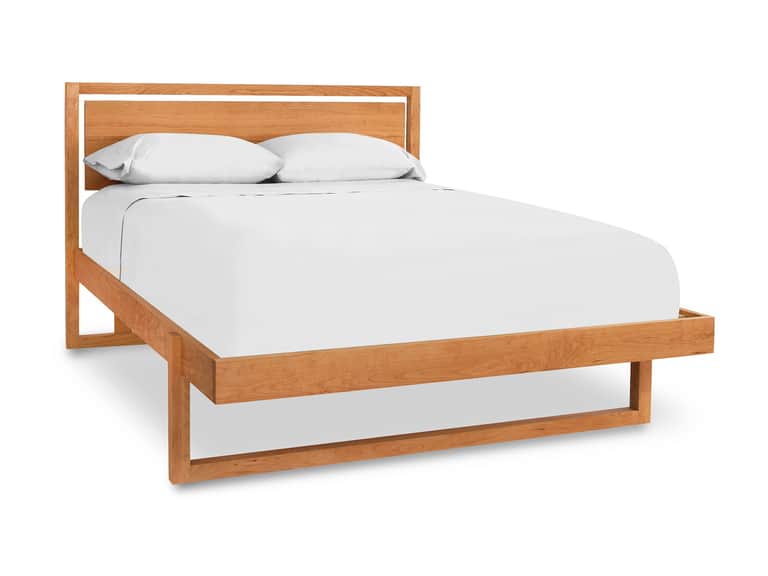
In the spirit of reliable foundations and crafted beauty, we pause to consider a bed that embodies thoughtful design and sustainable materials. The Pendant Bed, crafted in Vermont from solid sustainably harvested cherry wood with a hand-applied eco-friendly finish, offers a sturdy, breathable platform for Louisiana nights. Its traditional joinery signals lasting strength, while the wood’s natural character fosters a calm, grounded atmosphere—an ideal complement to climate-controlled or naturally ventilated bedrooms in humid climates.
The Pendant Bed is built around a maple or cherry frame with customizable sizing, enabling a sleeping space that respects room dimensions and airflow needs. The finish emphasizes tactile warmth without introducing chemical harshness to the sleep environment, aligning with a wellness-forward approach to nightly routines.
Note: Images are displayed on product pages and in image galleries when available. See product card below for a sample display.